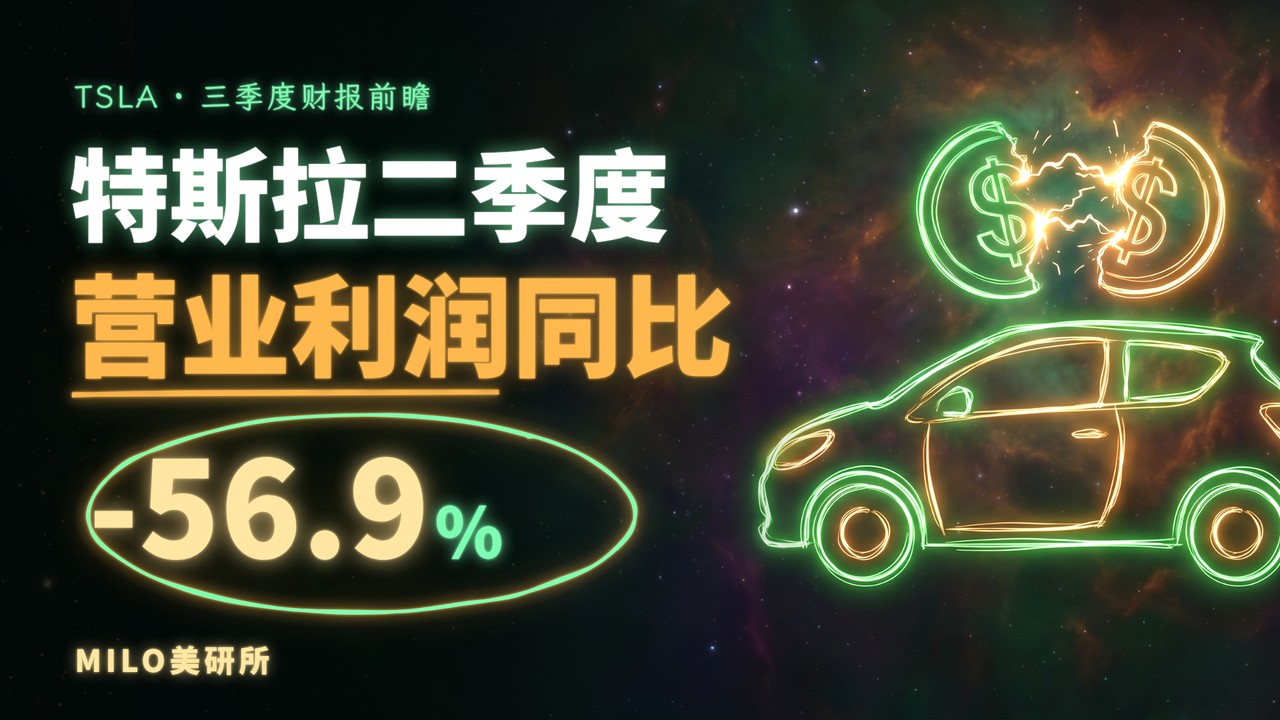
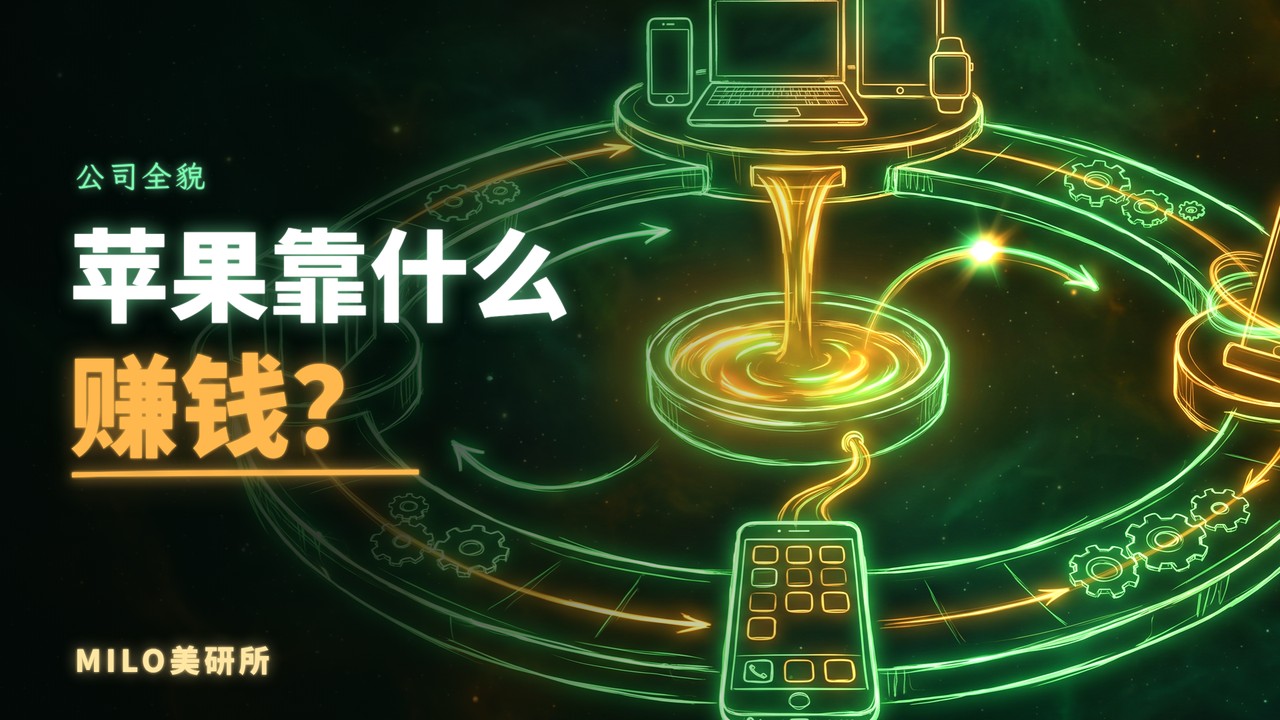
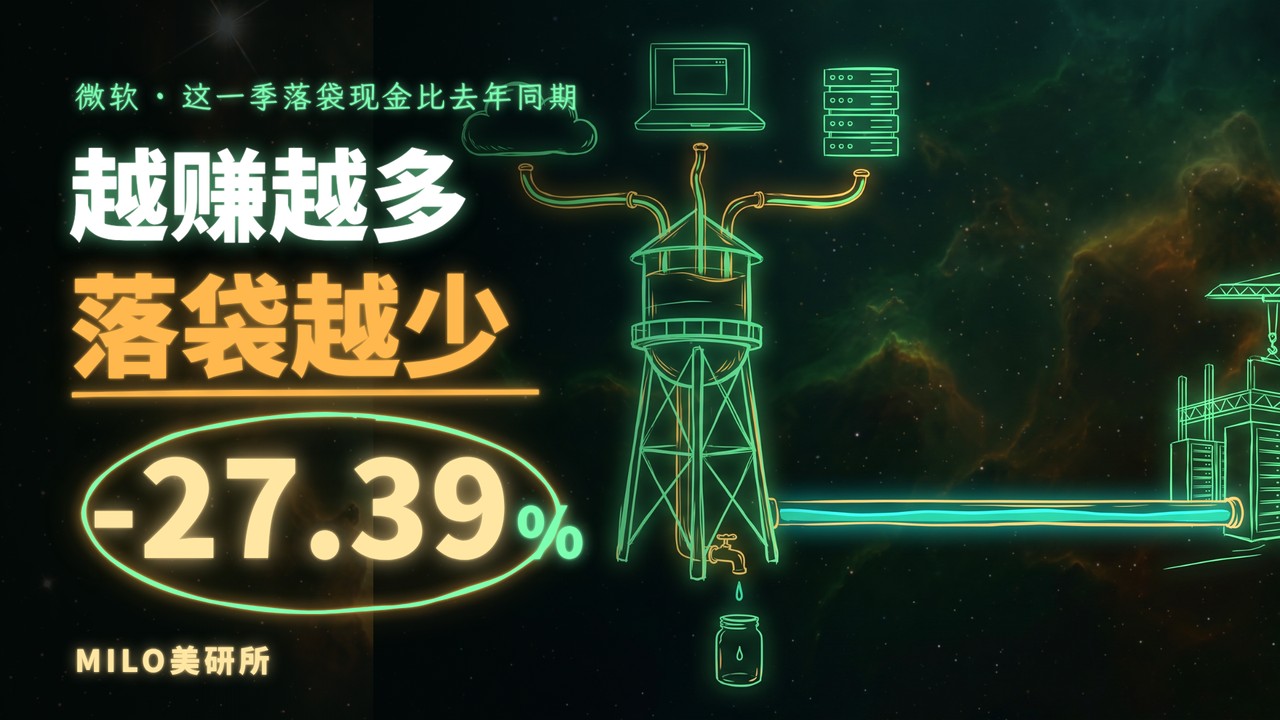
Tesla talks about AI all the time, yet in its financial reports, AI doesn't have a ledger of its own. This video skips any single quarter and opens the report like a ledger to show how the business makes money over the long run.
This video looks at:
- Where the money comes from: the business splits into just two parts, automotive and energy, and who pays;
- How revenue becomes operating profit, and why profit isn't cash;
- Where the spending on AI and robots is mixed in, and why you can't see a total;
- Why stock given to employees takes no cash but isn't free;
- The assumptions behind its confidence, and what could go wrong;
- The other side: AI not having its own line doesn't mean it isn't making money;
- The one thing to watch from now on: can the cash AI brings back cover the investment and the cost of issuing stock over the long run?
This video is based on compiled research and looks at the long-term business model. It does not judge whether the stock is cheap or expensive and offers no trading conclusion.
Research commentary only, not investment advice. The author may hold the stocks mentioned in this video.
#Tesla #TSLA #USStocks #BusinessModel #AI
Transcript
Talking about AI, with no ledger of its own
0:00Tesla talks about AI all the time, yet in its financial reports, AI doesn't have a ledger of its own.
What the ledger shows
0:05In the ledger, revenue sits mostly on the car side. How much AI has cost in total, and how much it has brought back: no line tells you.
Think of the report as a ledger
0:13Think of the financial report as a ledger: revenue on the left, costs and expenses on the right. Start with the left: the business splits into just two parts, automotive and energy.
Who pays
0:23Automotive is the big one. Two main groups pay: customers who buy or lease cars, and owners who keep paying for software, charging, repairs and insurance. AI-related revenue, such as the driver-assistance software FSD, is also booked on the automotive side. Energy sells power generation and storage equipment, and the buyers are households, businesses and utilities.
How revenue becomes operating profit
0:46Now the right side. Take revenue, subtract the cost of making things, shipping and warranties, then research and administration, and you get operating profit.
Profit isn't cash
0:55But profit isn't cash. When it builds factories and buys equipment, the money goes out first and profit counts it slowly, so you have to turn to the cash page.
Where the AI spending is mixed in
1:05Much of the spending on AI and robots is mixed into research and into factories and equipment, so you can't see a total.
Stock given to employees
1:11Then there's stock given to employees. It takes no cash, but it isn't free: it's already counted in expenses, and with more shares, each share holds a smaller piece.
What shareholders end up with
1:21Only after all this does it come to shareholders. But these are calculated differently and can't simply be subtracted, so there's no ready-made number for what shareholders really end up with.
Its confidence: a few assumptions
1:31Its confidence rests mainly on a few assumptions: making its own software and hardware to push costs down; a charging network that makes the cars easier to use; and data from its fleet giving FSD an edge. In the material we've seen, all of these lack enough independent comparison.
What could go wrong
1:48What could go wrong? The biggest fear is that FSD and robotaxis roll out, and after investment, costs and employee stock, cash returns per share still barely rise. Take robotaxis: from each fare you have to subtract empty miles, charging, insurance, repairs and wear on the car. Every ride costs money, unlike selling software. Waymo, a rival in driverless rides, says it already operates in many cities, but that doesn't mean anyone has won.
The other side: spend first, earn later
2:17Still, AI not having its own line doesn't mean it isn't making money. Cars and energy are real businesses that can feed cash to AI; spending first and earning later also makes sense. It already has paying owners and a service network, and the wider it spreads, the thinner costs may get. The ledger can't prove AI will work out, and it can't prove it won't.
What to watch from now on
2:37From now on, watch Tesla for one thing: can the cash AI brings back cover the investment and the cost of issuing stock over the long run? Whether AI gets a ledger of its own is the clue.
What do you think?
2:50Do you see it as a carmaker or an AI company? Tell me in the comments. The author may hold the stocks mentioned in this video. Follow me, and see you next time.